Most curry recipes read as a list of ingredients. What actually determines how the dish tastes is the order they go in and how long each stage is given. Nearly every homestyle curry is the same handful of stages, and once you can see them, you can cook a curry without a recipe at all.
The five stages
1. The fat and whole spices
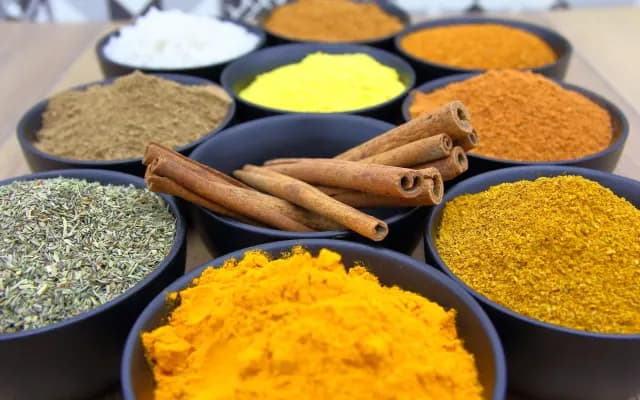
Oil or ghee, hot enough to shimmer, then whole spices. They are there to flavour the fat, which then carries that flavour through everything else. Wait until they crackle and settle.
2. The onions
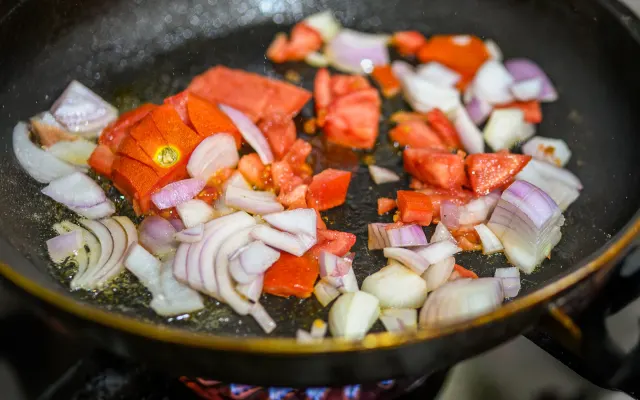
This is the stage most often rushed, and it costs the most. Onions cooked for three minutes taste sharp; cooked for ten they turn sweet and give the curry its body. There is no shortcut — the sweetness comes from time and nothing else.
3. The aromatics
Ginger garlic paste, about a minute, until the oil separates. The pan is at its driest here, which is the only time the paste can properly fry rather than steam.
4. The tomatoes and ground spices
Tomatoes bring acidity and the liquid the ground spices need so they do not scorch. Cook until the mixture thickens and the oil separates again — that second separation is the signal the base is finished. Rushing past it is why some curries taste thin and raw no matter how long they are simmered afterwards.
5. The main ingredient and the liquid
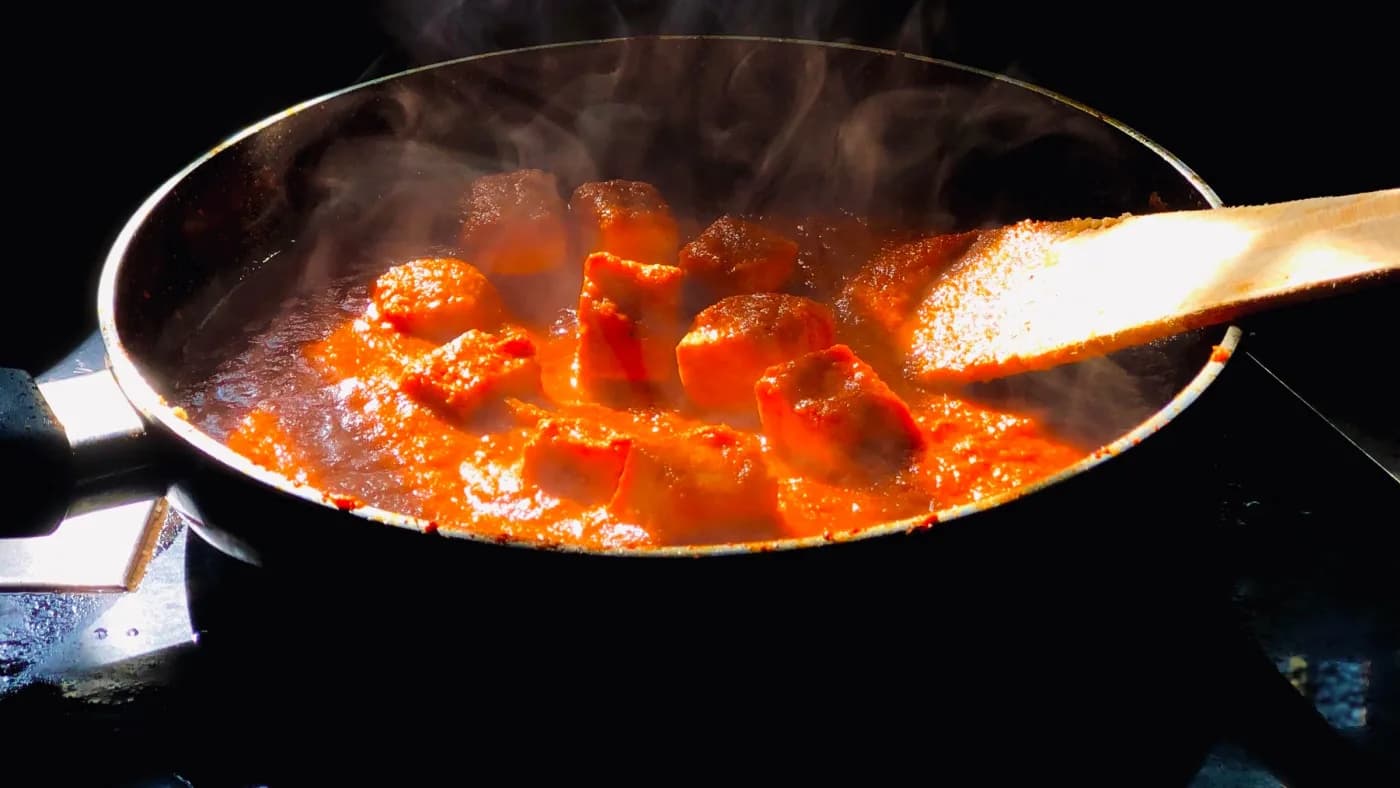
Now the vegetables, paneer or protein, and water or stock. From this point you are cooking the main ingredient, not building flavour. The base is already set.
Why the order matters
Each stage needs a condition only the previous one creates. Whole spices need clean hot fat. Onions need time before anything acidic arrives, because acid stops them softening. Ginger garlic paste needs a dry pan. Ground spices need liquid. Put them in the wrong order and you are asking an ingredient to do something the pan cannot support.
The one rule to remember
Watch for the oil separating. It happens twice — once after the aromatics, once after the tomatoes and spices. Both are the pan telling you the water has gone and that stage is complete. Cooks who learned without recipes are watching for exactly this.
Where recipes mislead
Printed timings assume a pan, a stove and a quantity that are probably not yours. "Fry for 2 minutes" on a wide heavy pan over a strong flame is a different instruction from the same words on a small pan over a weak one. Use the timings as a rough guide and the visual signals as the real one.
- curry
- technique
Seelbatta · Kitchen team
Last reviewed 25 Sept 2026
Share